
When deciding between drip irrigation and spray heads for your landscape, it’s important to consider which system aligns with your property’s unique needs. Homeowners and property managers need to understand how water delivery methods impact plant health, lawn health, system efficiency, and even water conservation, especially during the hot and often unpredictable weather in North Texas. Here, we’ll compare drip irrigation and spray heads, explain the warning signs that you may have the wrong system in place, and offer practical advice on choosing the right irrigation design for your Mansfield landscape.
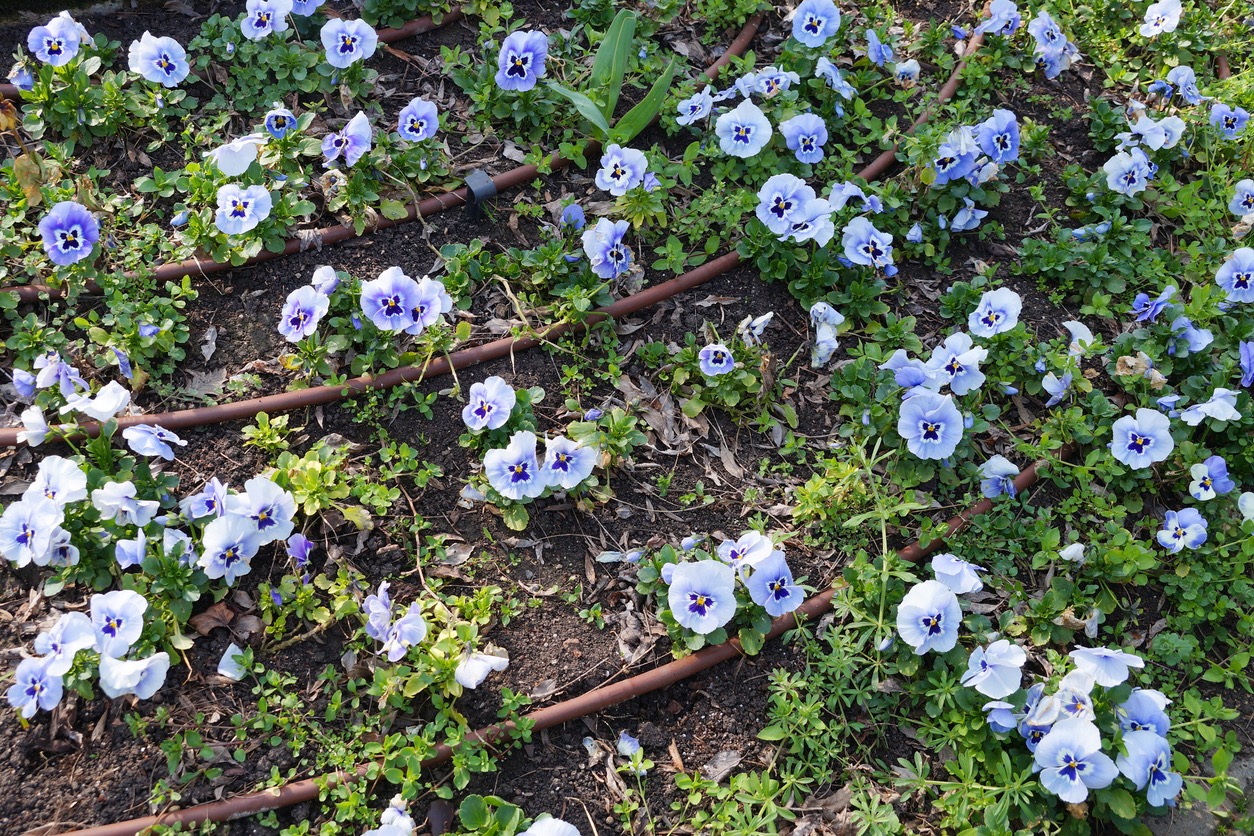
How Drip Irrigation Works
Drip irrigation delivers water directly to the root zone of plants using a network of tubing and emitters. These systems provide precise amounts of water to shrubs, trees, and flower beds, minimizing evaporation and runoff. In areas with clay-heavy soils (very common in Mansfield), drip irrigation can help ensure water is absorbed slowly, promoting healthier plant growth while reducing water waste. Homeowners prefer drip irrigation in settings with:
-
Garden beds
-
Foundation plantings
-
Shrubs and small trees Drip systems can be tailored for xeriscaping or drought-resistant landscapes, which is advantageous considering North Texas’ frequent drought restrictions.
Understanding Spray Head Irrigation
Spray head systems distribute water over larger areas using pop-up sprinkler heads. These are best suited for lawns or open spaces with uniform grass coverage. The spray pattern can be adjusted to avoid sidewalks and driveways, but, especially in hot and windy Mansfield summers, some water can still be lost to evaporation or drift. Consider spray head irrigation for:
-
Turf lawns
-
Athletic fields
-
Large, evenly contoured areas Spray heads offer even coverage but may require adjustments to avoid overwatering or water collection in low spots, especially if your landscape slopes or contains compacted clay soil.
Warning Signs You Need to Adjust Your Irrigation System
It’s not uncommon for Mansfield homeowners to inherit irrigation systems that don’t match their current landscape. Keep an eye out for these common issues:
-
Wet spots or standing water around spray heads can indicate overwatering
-
Wilting or dry areas, especially with drip irrigation, may be a sign of clogged or poorly placed emitters
-
High water bills signal excessive runoff or inefficient watering
-
Moss or fungal growth in shady areas may mean your spray heads are applying too much water. By addressing these signs quickly, you avoid landscape damage and save on costly repairs.
Making the Right Choice for Your Mansfield Property
When planning new installations or upgrades, consult a professional for customized irrigation system installation design. Consider factors like plant type, soil composition, sun exposure, and prevailing winds. In many Mansfield neighborhoods, a blended approach of drip irrigation for flower beds and spray heads for lawns provides optimal efficiency. During local watering restrictions, drip irrigation can keep prized plants thriving without violating municipal guidelines. A service-focused local company will also provide irrigation repair and maintenance to ensure your system remains efficient in every season.
Discussing Your Options With a Professional
An experienced design consultant can review your property, note problem areas, and recommend specific changes, like capping spray heads in mulched zones or updating to pressure-regulated drip lines. Regular sprinkler inspection and adjustment is crucial, particularly before peak summer months, to prevent leaks, uneven coverage, or damage from high temperatures. Addressing these details now can help you avoid costly overhauls later.
Start Your Irrigation Project in Mansfield, TX
Thinking about converting to drip irrigation or optimizing your spray heads? Anchor Irrigation LLC serves Mansfield, TX with dependable, locally informed service. Our team will match the right water delivery solution to your landscape and guide you through every decision. Call today at (817) 296-1538 or fill out our online form to schedule your landscape irrigation consultation.